
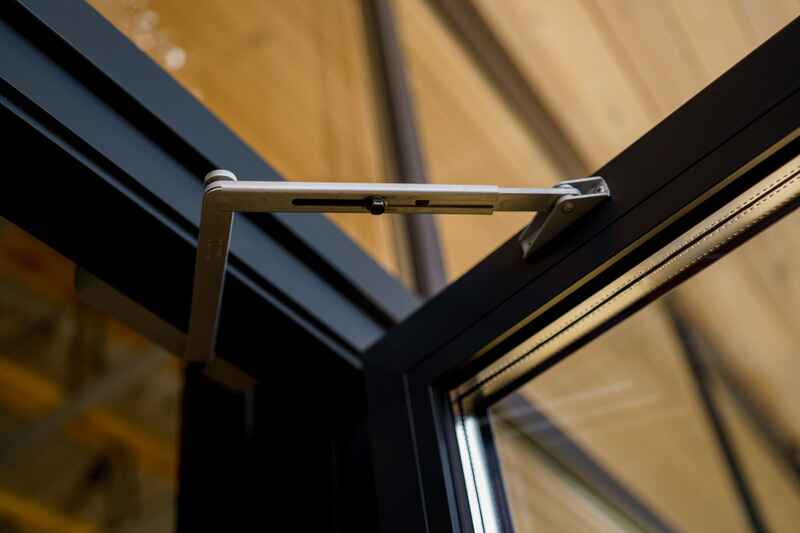
In the busy commercial districts of Warwick, first impressions are everything. Customers judge a business from the moment they step out of their car. While business owners often obsess over signage, window displays, and interior layout, there is one mechanical component that every single customer interacts with, yet few owners think about until it breaks: the door closer.
That hydraulic metal box mounted at the top of your entrance is the unsung hero of your storefront. It dictates how heavy the door feels to open, how quickly it shuts, and whether it latches securely. When a door closer fails, it transforms your entrance from a welcoming gateway into a physical hazard and a security vulnerability. Maintaining this device isn’t just about convenience; it is a critical aspect of risk management and legal compliance.
The Physics of the Slam
We have all experienced a broken door closer. You walk out of a shop, let go of the door, and it slams shut with a violent bang that rattles the glass and nearly catches your heels. This “slamming” is usually caused by a failure in the hydraulic seals. Inside the closer, fluid regulates the spring’s tension. When that fluid leaks out—often visible as oily drips on your door frame—the door loses its braking mechanism.
A slamming door is a massive liability. In high-wind areas, a door without hydraulic resistance can be caught by a gust and ripped off its hinges, or worse, swung violently into a patron. Facility management resources like FacilitiesNet frequently cite door malfunctions as a leading cause of entrance-related injuries. Crushed fingers, bruised shoulders, or shattered glass can lead to significant insurance claims and lawsuits. Conversely, a door that offers zero resistance can swing open too fast, damaging the exterior wall or hitting a passerby.
Accessibility and the Law: ADA Compliance
Beyond safety, there is the issue of civil rights and accessibility. The Americans with Disabilities Act (ADA) sets strict guidelines on the amount of force required to open a door. For interior doors, the maximum force is generally 5 pounds. Exterior doors are more complex due to wind loads, but they must still be usable by individuals with limited mobility.
If your door closer is seized, over-torqued, or broken, your entrance effectively becomes a barrier to customers using wheelchairs, walkers, or even parents with strollers. A stiff door is not just an annoyance; it is a potential ADA violation. Professional locksmiths use force gauges to calibrate door closers, ensuring they meet the specific “opening force” and “closing speed” requirements (usually taking at least 5 seconds to close from 90 degrees). The ADA National Network provides extensive resources on these requirements, emphasizing that an accessible business is a welcoming business.
Security Implications of a “Drifting” Door
A door closer serves two functions: opening safely and closing securely. The latter is vital for security. If a closer is weak or misaligned, the door may drift shut but fail to “latch.” The plunger doesn’t fully engage with the strike plate.
This leaves your business vulnerable. You might lock the deadbolt at night and walk away, assuming the door is secure, while in reality, the latch mechanism hasn’t engaged. A slight tug or a gust of wind could pop the door open, bypassing the lock entirely. also continuous slamming destroys the structural integrity of the door frame and the locking hardware. It loosens screws, misaligns strike plates, and can crack the door glass.
Regular maintenance involves adjusting the “sweep” and “latch” speed valves on the closer unit. It also involves checking for “stacking pressure”—where the door becomes harder to open the wider it gets. Keeping this hydraulic system healthy protects your inventory, your customers, and your wallet.
Your Warwick Experts for Door Closer Install & Repair
Ensure your business is safe, accessible, and secure with professional door maintenance. Whether you are dealing with a leaking hydraulic unit, a slamming storefront door, or need an ADA compliance check, we have the heavy-duty hardware and expertise to fix it. Trust Top Lock and Garage to keep your entrances operating smoothly. Learn more about our commercial Door Closer Install & Repair services or schedule a maintenance visit via our Contact Us page.